Prickly Pear Cactus (Opuntia compressa and various .spp)

Comment

Prickly Pear Cactus (Opuntia compressa and various .spp)

 Prickly pears are a type of cactus found growing from in the American west all the way to the deep south.. 0. compressa is the dominate species in the southeast.  Two other species, 0. drummondi and 0. vulgaxis, can occasionally be found in the coastal plain region of the southeast.  Prickly pears usually grow in sandy or rocky soil.  Prickly pears have a delicious fruit that is outstanding in jellies and jams.  Be very careful when gathering this fruit because the prickly pear is covered with tiny bristles (it's called prickly pear for a reason).  Its a  good idea to wear gloves when gathering the fruit.  The dried seeds can be ground up and used for flour.  Even the cactus pads of the prickly pear can be eaten.  The pads are often found in latino or speciality store they will be labeled as nopal or nopales.   They are sometimes found with the bristles removed, but they can be easily prepared by simply taking a knife, scrape the bristles off, cut all around the margin of the pad, then scrub with a brush.  The pads can then be cut up, boiled in water for 10-15 minutes and served as a side dish, add to tacos or fajitas.

To prepare the fruit, cut off each end and peel.  Take the fruit and then puree in a blender or food processor, strain out the sends and use the thick juice in your favorite jelly or jam recipe.  You can be really hip and use the juice in your favorite margarita recipe, prickly pear margaritas are all the rage!

Growing your own Prickly Pear

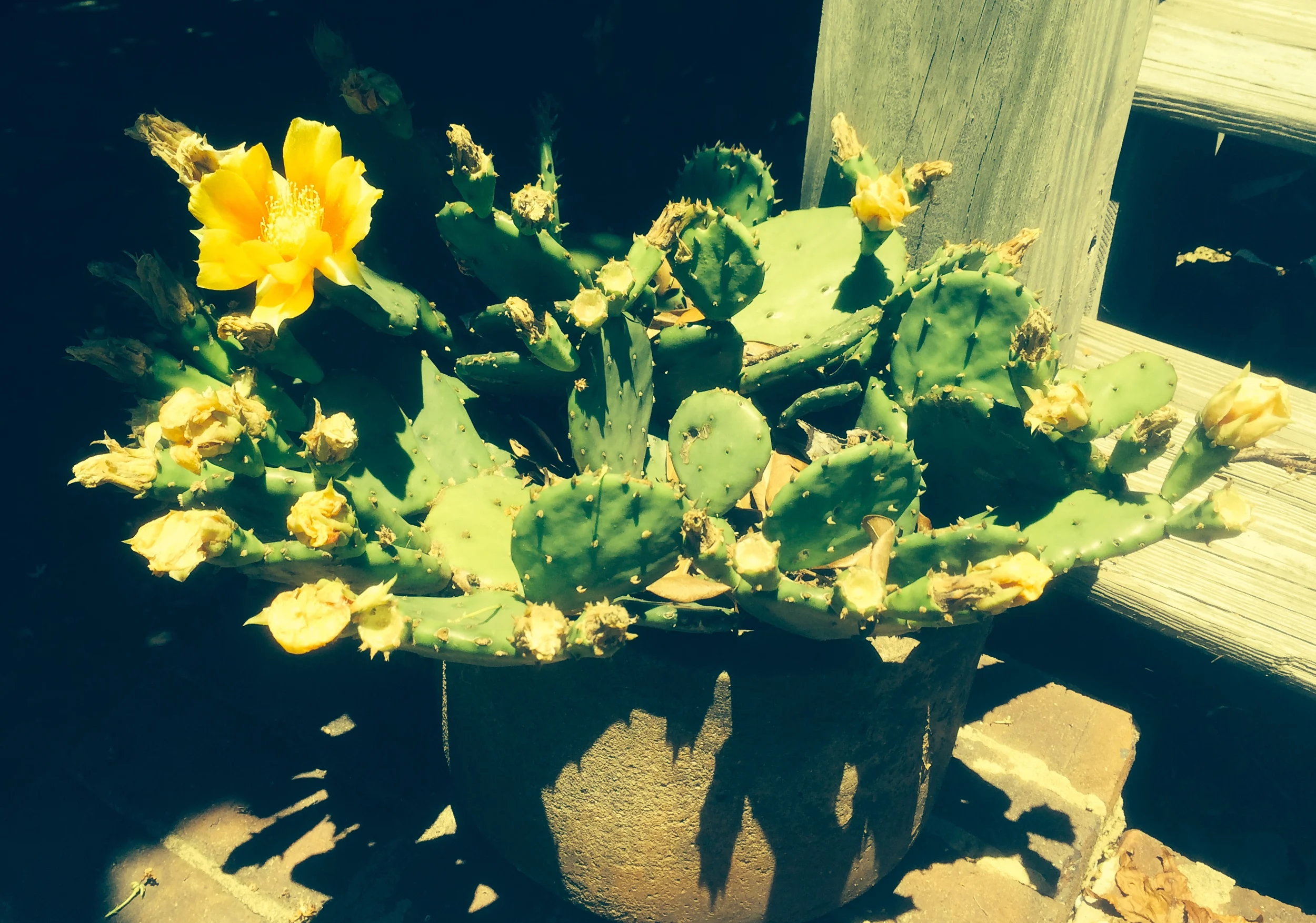
The Prickly Pear pictured at the top of this post is in a container, it was gathered in Mentone, Alabama over 20 years ago and has lived in Maine, Texas and Alabama.  It blooms each year and produces tons of fruit.  You can start your prickly pear in a container, simply take a pad, stick it in the soil and it will root and start growing.  They are very hardy and this one even survived the extreme winters of Maine, although sometimes I would feel sorry for it and put it in the garage!

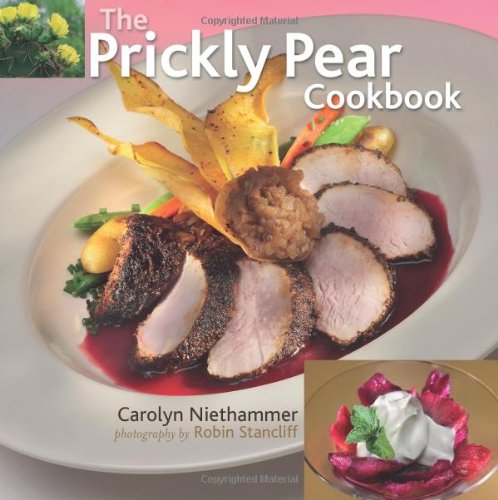
The Prickly Pear Cookbook by Carolyn Niethammer, photography by Robin Stancliff

I highly recommend the Prickly Pear Cookbook, it is a beautiful book with a introduction to the Prickly Pear,basics for harvesting and preparing and recipes for beverages, appetizers, salads and dressings, backed goods, preserves, sauces, main dishes, side dishes and desserts.  Some of the recipes include Nopalito  Salsa, Prickly Pear Tiramisu, Prickly Pear Lemonade, over 50 recipes with photo's.  Purchase the book from Amazon by clicking on the book image below:
The Prickly Pear Cookbook
By Carolyn Niethammer
Opuntia growing in the wild

Opuntia growing in the wild

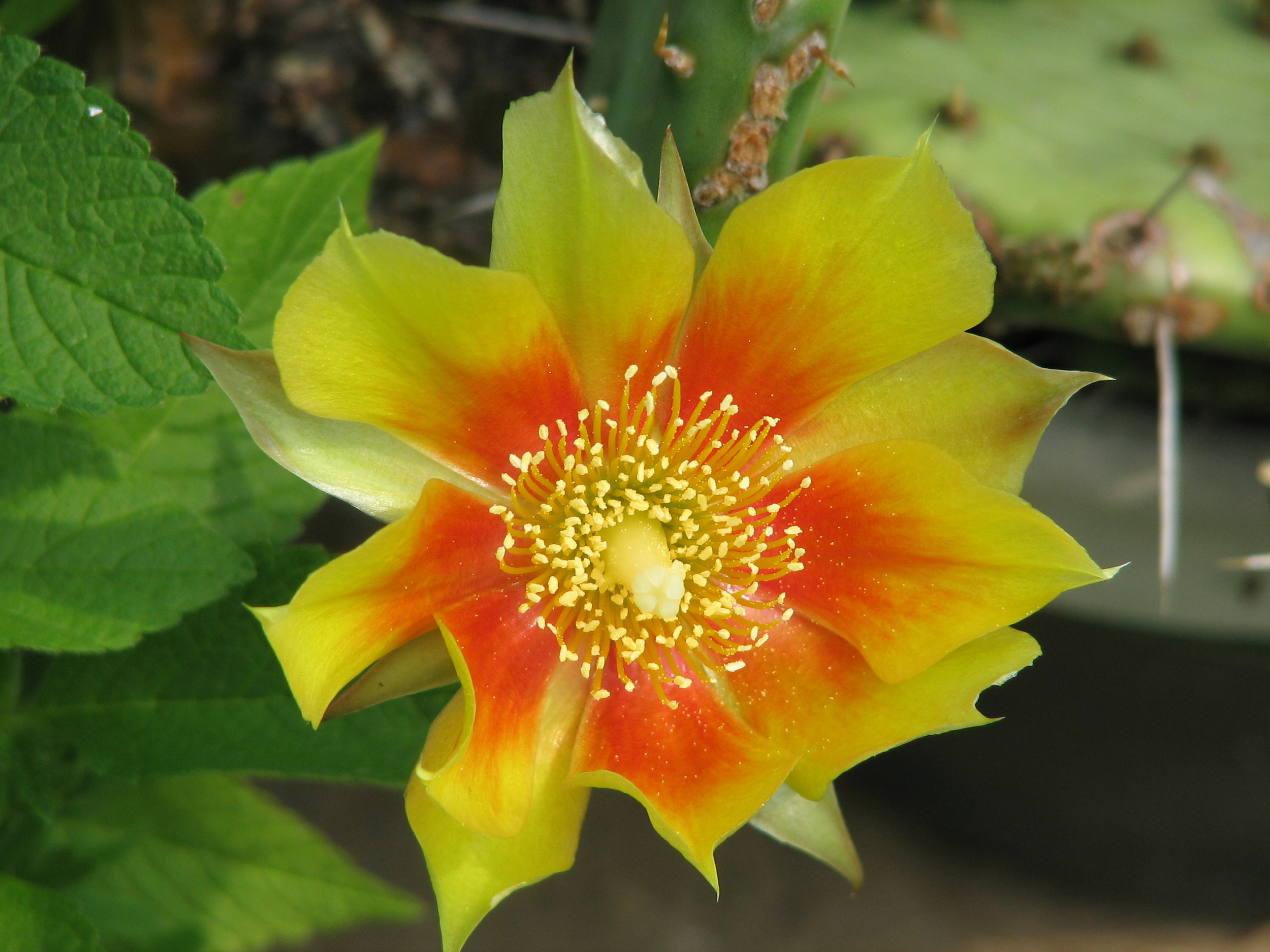
The beautiful flower of the Opuntia!
The beautiful flower of the Opuntia!

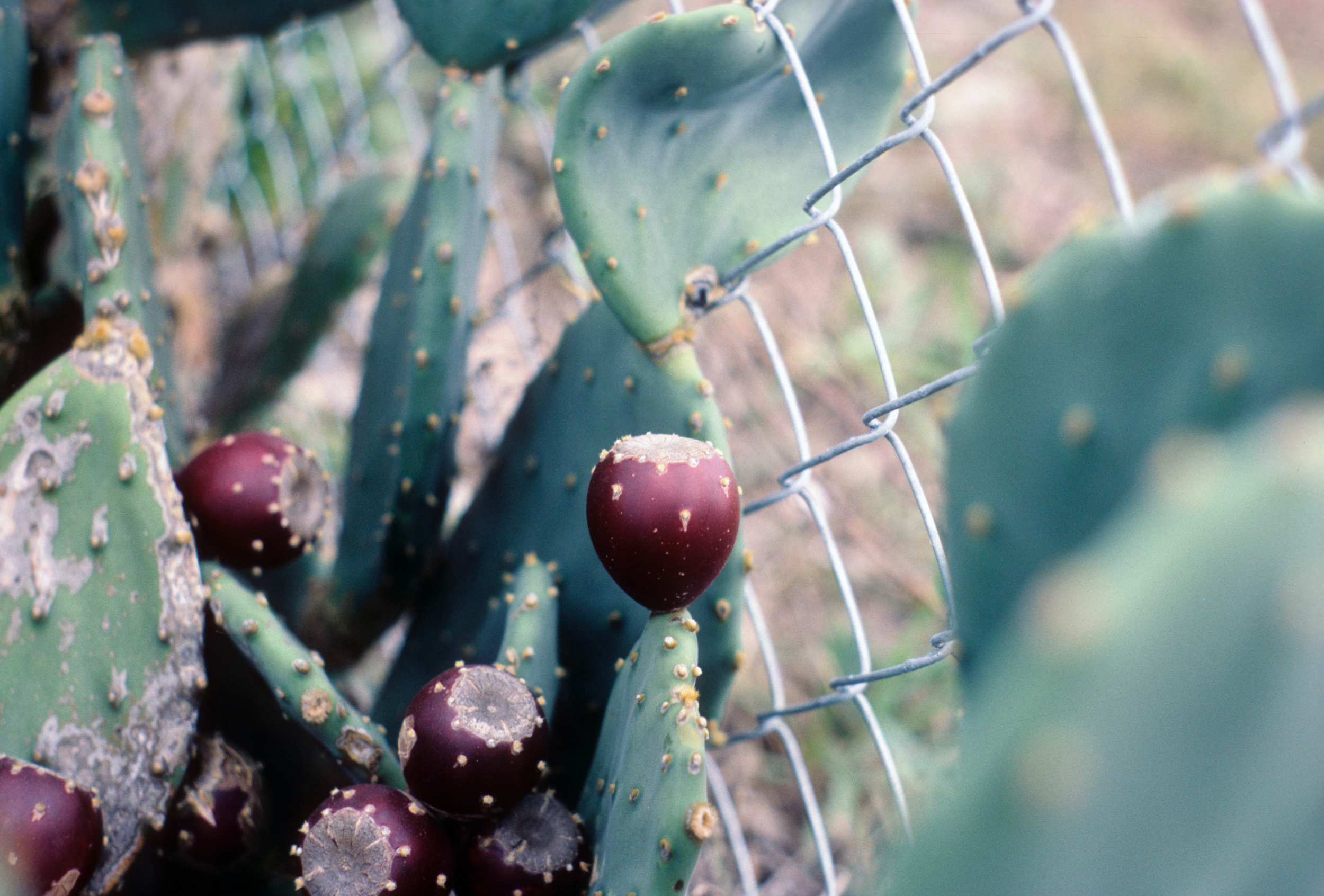
Opunta fruit, this prickly pear was growing near the Dauphin Island Sea Lab on the coast of Alabama

Opunta fruit, this prickly pear was growing near the Dauphin Island Sea Lab on the coast of Alabama

This Prickly Pear was found near Cimarron, New Mexico, very prickly!
Comment

Comment

Red Mulberry

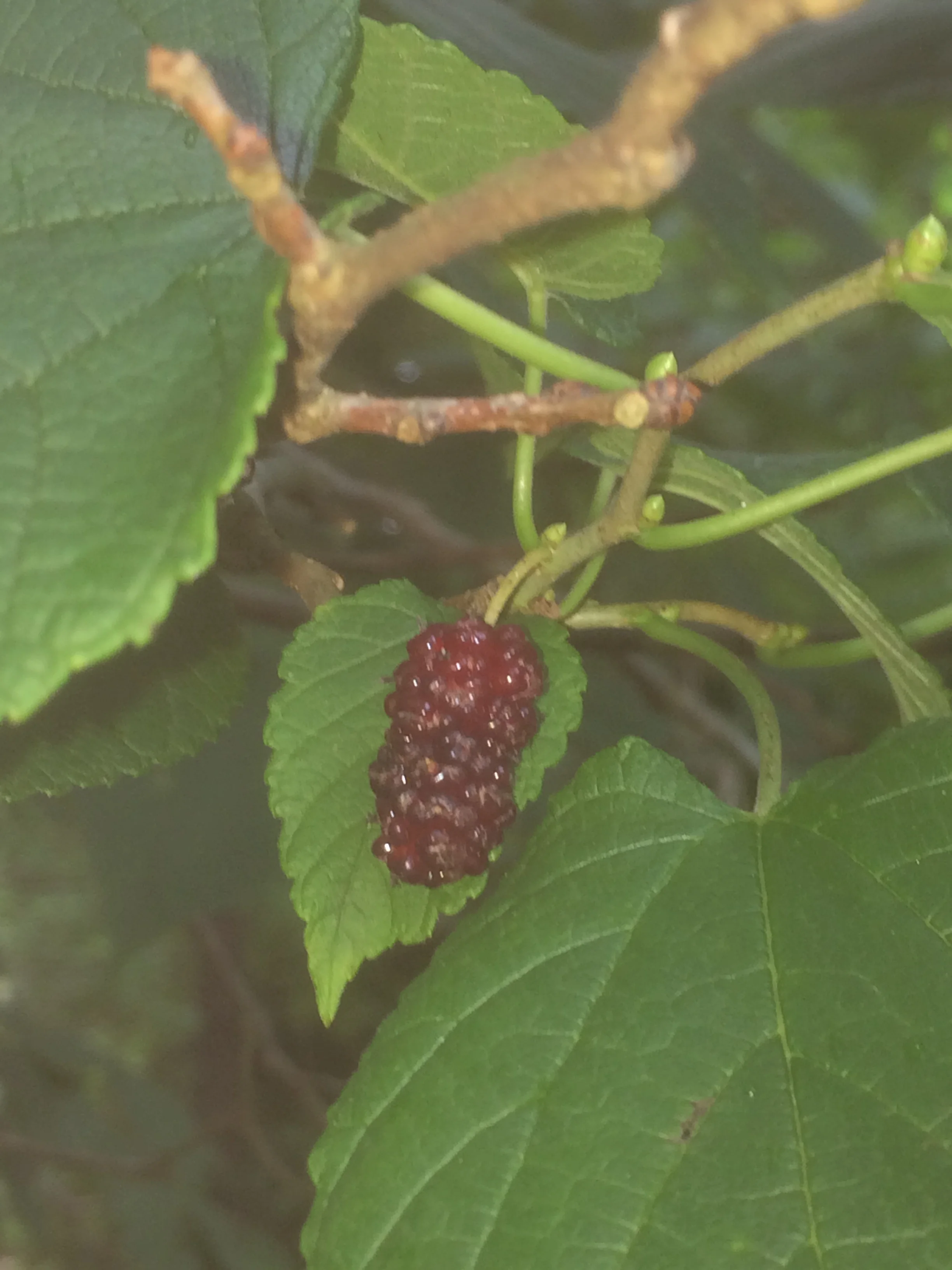
This delightful wild fruit is from the red mulberry, Morus rubra.  Where we live it ripens late May, early June. Delicious raw of ground or picked straight from tree.  Less tart than blackberry, wonderful when used in pies, muffins, or to make jellies and jams.  When ripe, you need to gather quickly, you are competing with all types of birds for this berry!

image.jpg

Comment

1 Comment

Southern Wonder: Alabama's Surprising Biodiversity

I had the great opportunity to attend a lecture and then go into the field with Dr. Scot Duncan, Assistant Professor of Biology at Birmingham-Southern College and author of the amazing book, Southern Wonder:  Alabama's Surprising Biodiversity.  I must admit I am biased, I graduated from Birmingham-Southern and I live in Alabama, but don't just take it from me, here is what Dr. E.O. Wilson had to say:

“Scot Duncan has delivered one of the most important books ever written about Alabama. Beautifully composed, it is a revelation about one of the most biologically diverse regions in North America and a call to Alabama’s people to treasure and protect the state’s living heritage.” 
—Edward O. Wilson, Pulitzer Prize–winning author of The Social Conquest of Earth.

​Get this book now, you will not be disappointed.


1 Comment

1 Comment

Audubon Mountain Workshop - Some Thoughts from the Field

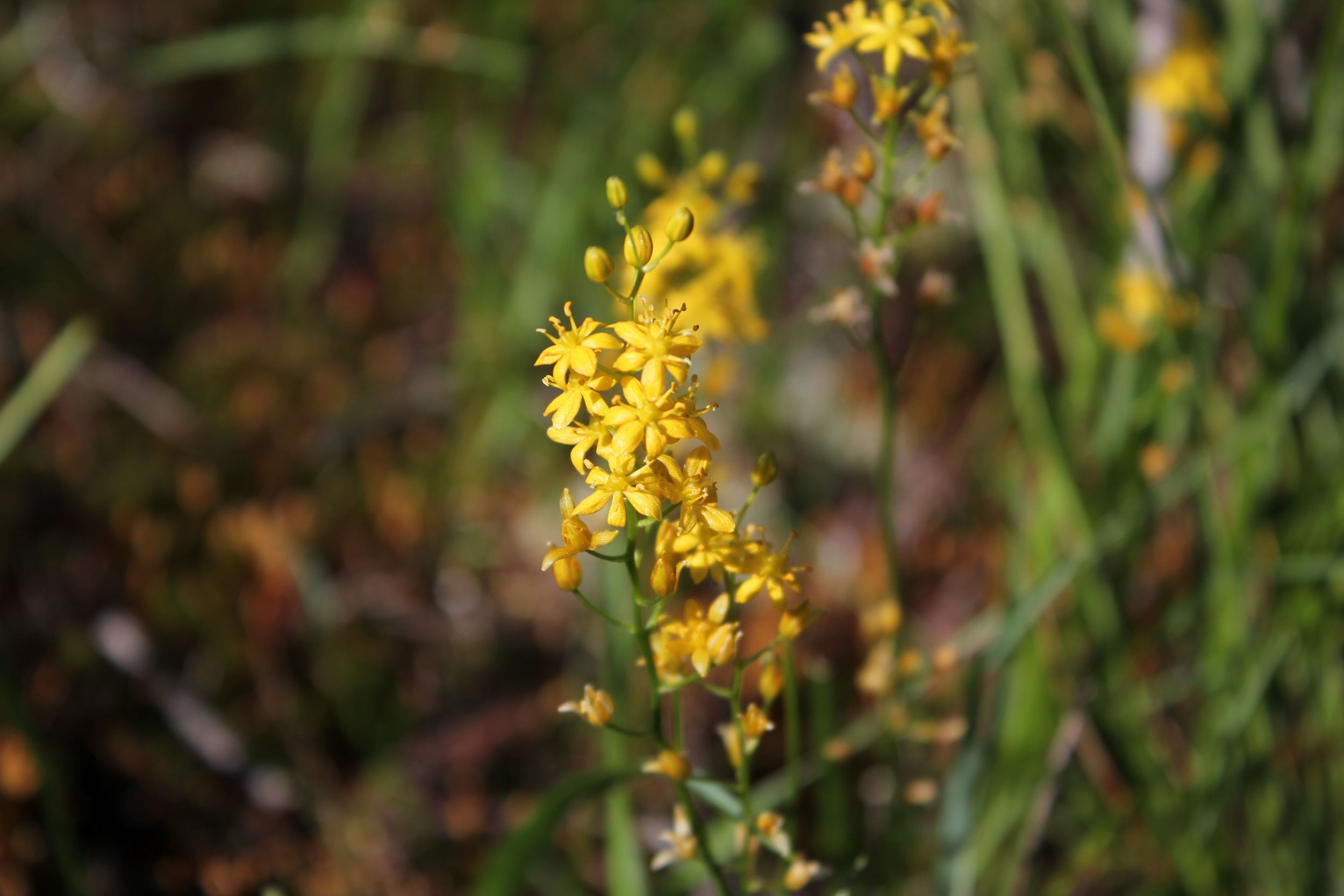
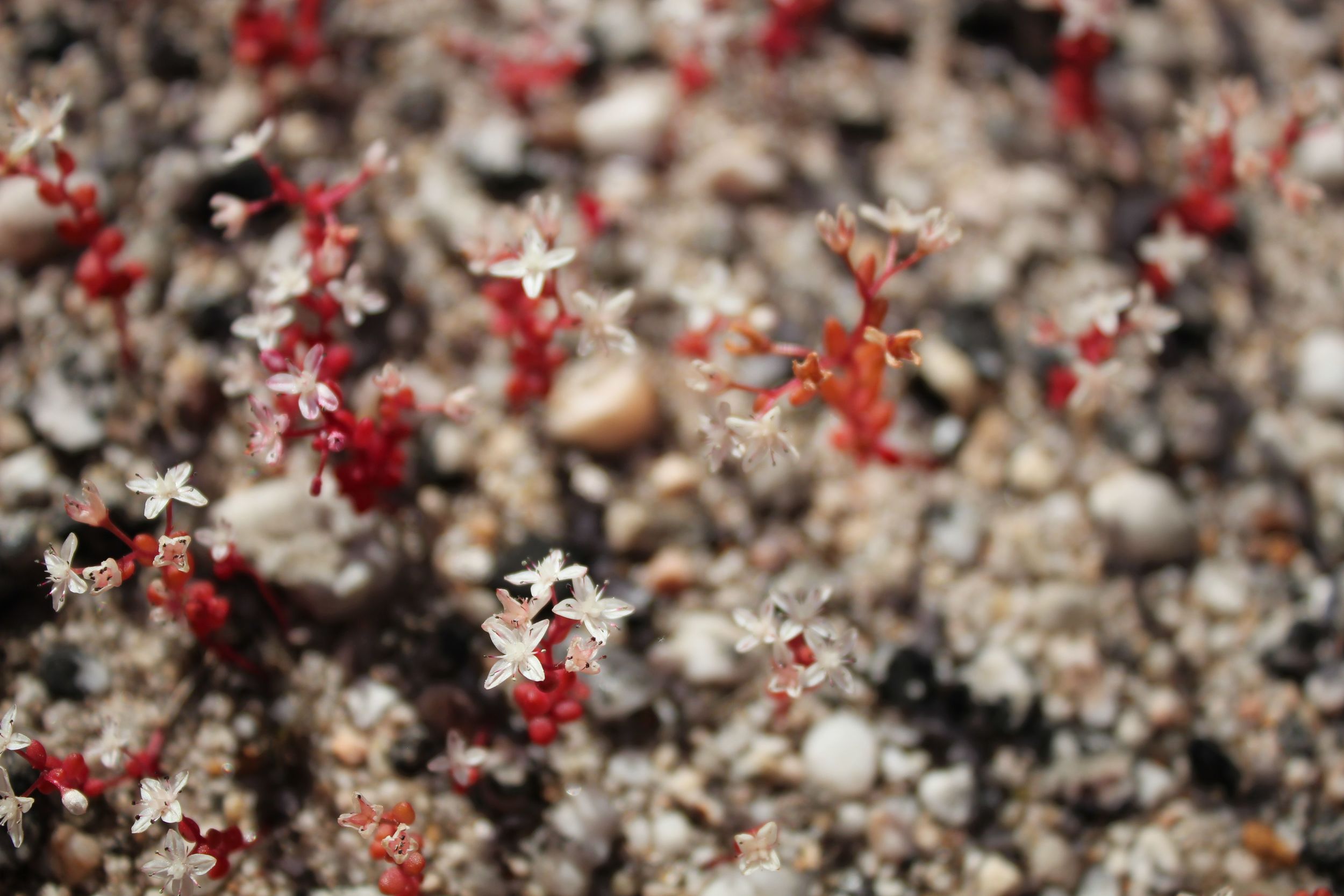
28 years ago, my professor, friend and mentor Dr. Dan Holliman invited me to go with him to the Audubon Mountain Workshop, which was held at Camp Alpine for Boys in Mentone, Alabama.  The late Dr. Holliman saw in me my enthusiasm for all things Botany, especially my unique interest in Edible Wild Plants.  He also needed someone to drive the van from Birmingham-Southern College, something I did for him for many bird watching, research, and field excursions.  That begin my love affair with the Audubon Mountain Workshop.  Over the past 28 years I have taught at the workshop 17 times, only missing when we lived in Maine and Texas.  Now that we are back in Alabama I have reconnected with the great folks that put this workshop on and it is a real joy and honor to take part in this annual event.  I encourage you to check out the Birmingham Audubon Website and to register for the 2015 workshop when registration opens next year.  This photo gallery has some images of plants encountered at the workshop, not all of which are edible, as you may notice some of these plants are the carnivore!

1 Comment

Young Naturalist Workshop

Comment

Young Naturalist Workshop

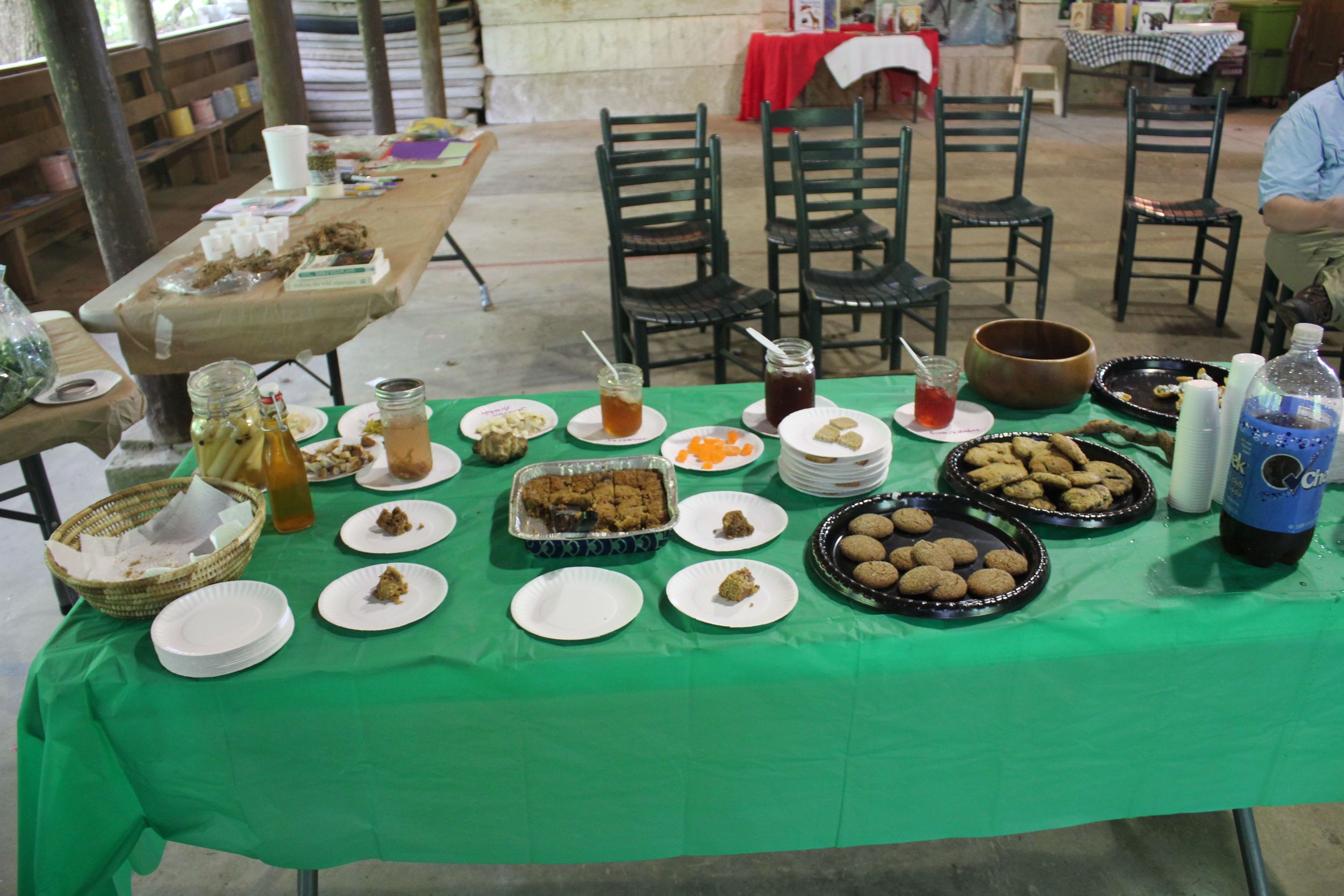
Was honored to teach a session for the Young Naturalist at the Birmingham Audubon Mountain Workshop in Mentone, Alabama.  The young naturalist had a great love for the outdoors and they got to sample some wild treats, Sassafras root beer, Sassafras Candy, Cattail Pickles, Wild Ginger Cookies, ground cherry coffeecake, Sumac Lemonade, Blackberry Scones, Elderberry and Sumac Jelly, Fried Dandelion Flowers, Dandelion Greens!  A great time was held by all.

Comment

1 Comment

Quote for the Day

 "The objective is to teach the student to see the land, to understand what he sees, and enjoy what he understands."

-Aldo Leopold


Pink Lady Slipper, Mentone, Alabama

Pink Lady Slipper, Mentone, Alabama

1 Comment

Comment

Audubon Mountain Workshop

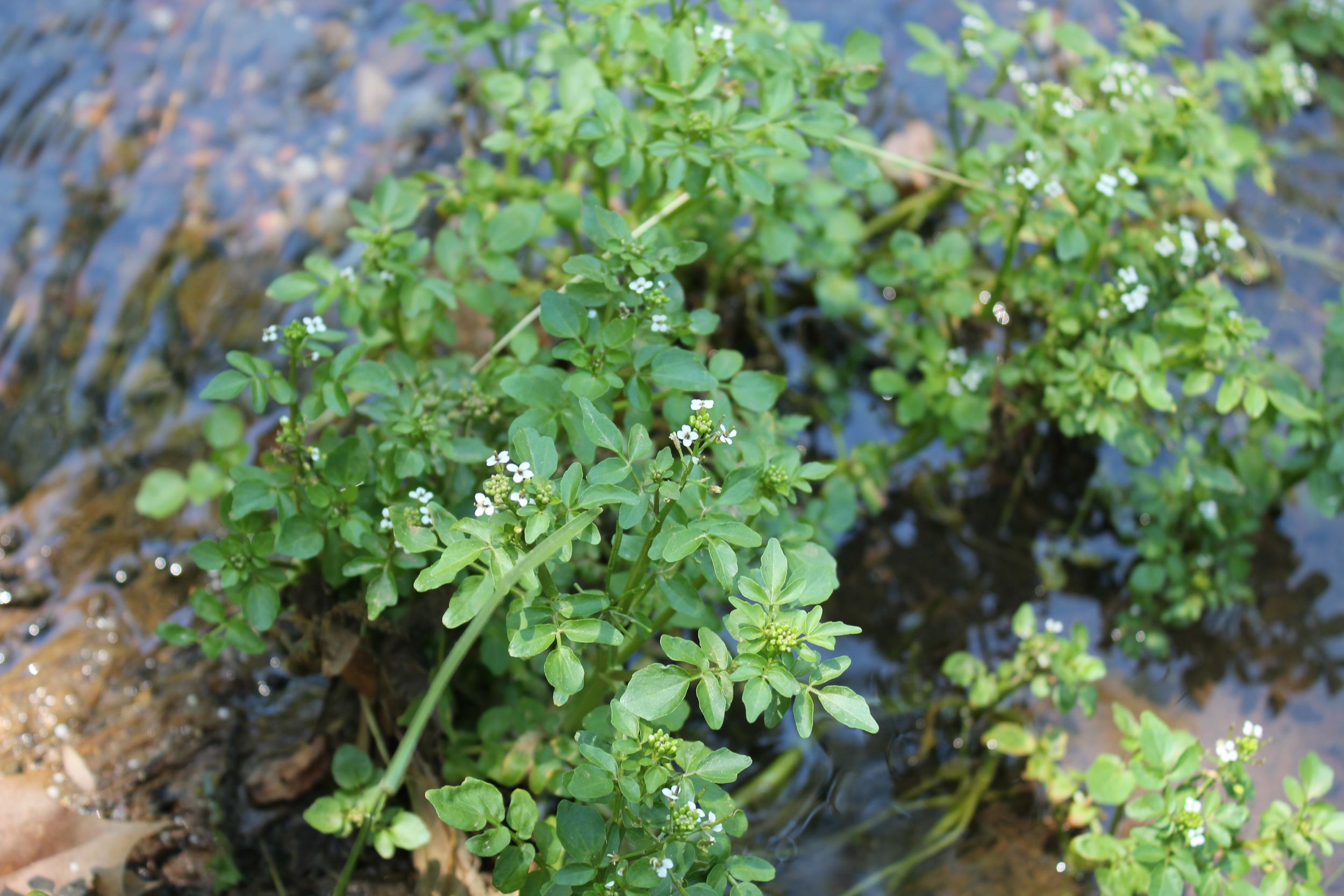
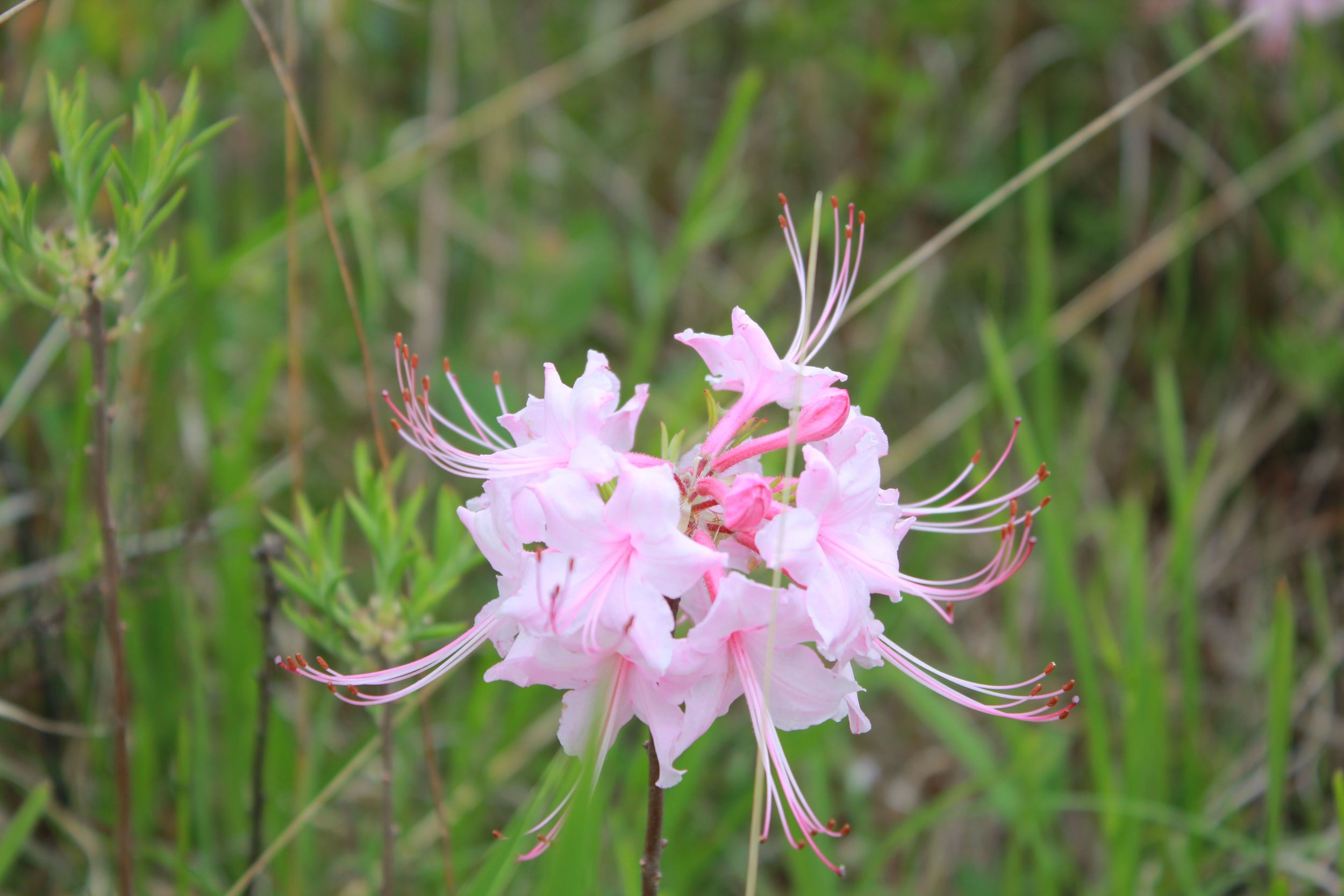
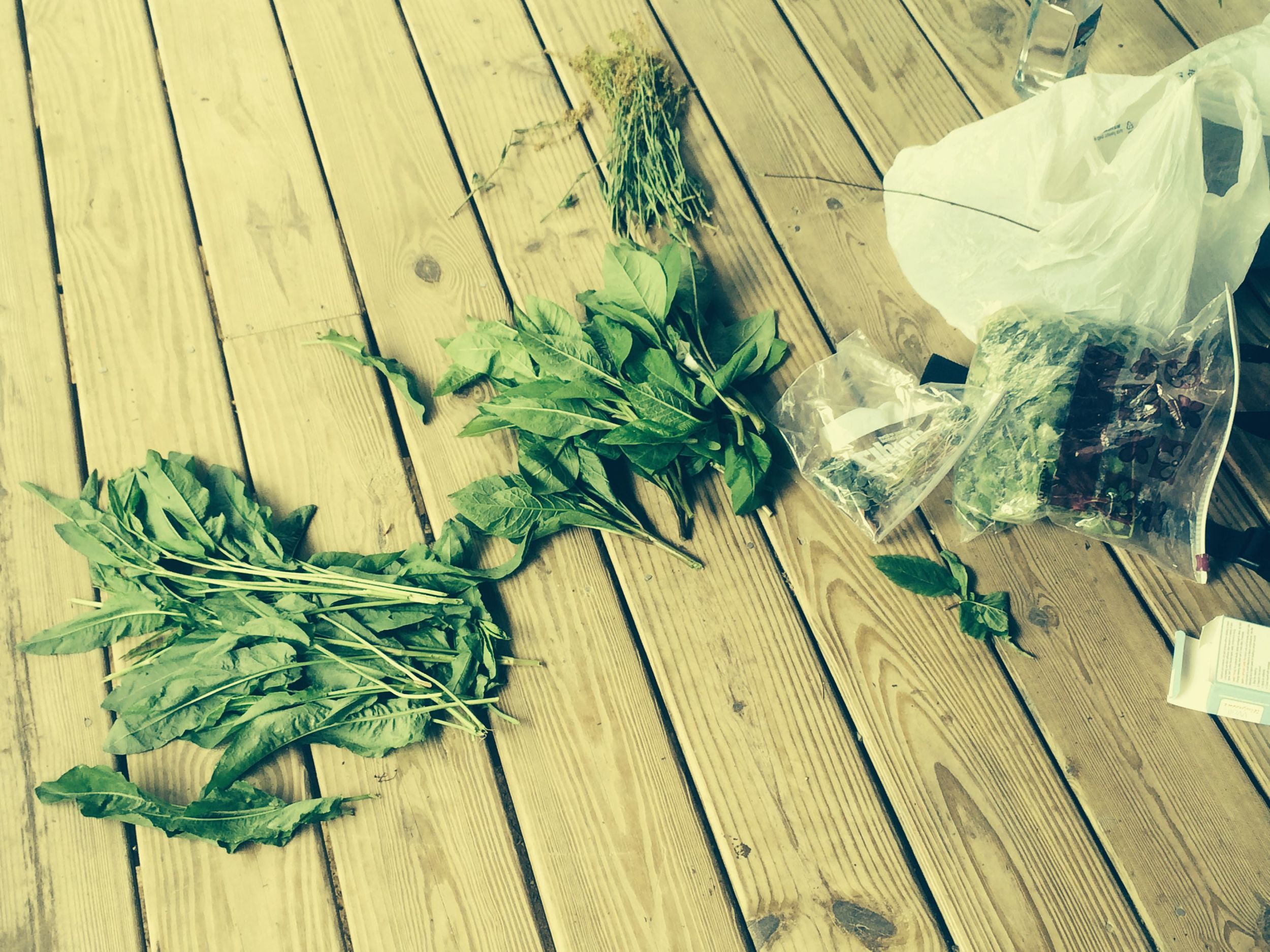
Great couple of days with the Birmingham Audubon Mountain Workshop, here are some of the wild edibles gathered for class

Pokeweed, Dock

Pokeweed, Dock

image.jpg

table with food served at the Young Naturalist workshop


Comment

Comment

Way Down Yonder in the PawPaw Patch

16th Annual Ohio Pawpaw Festival, September 12-14, 2014


The 15th Annual Ohio Pawpaw Festival is held at Lake Snowden near Albany, which is located about six miles west of Athens on US 50/SR32, it is about 2 hours from Columbus, 3  hours from Cincinnati and 4 hours from Cleveland. 

http://www.ohiopawpawfest.com/index.html


Comment

Comment

Birmingham Audubon Mountain Workshop

J.T. Dabbs, author of Southeastern Edibles (and owner of this web site)  will be teaching a Introduction to Wild Edible Plants at the Audubon Mountain Workshop in Mentone, Alabama.

May 15-18

www,birminghamaudubon.org

Comment